
Riding the Rails to Untamed Horizons
Join a practical, wonder-filled exploration of rail-accessible wild landscapes for photographers, where platforms become trailheads and timetables align with golden light. We’ll reveal routes worth riding, packing strategies that keep you nimble, safety practices that protect fragile places, and creative methods for shooting both from the carriage and far beyond the last signal. Expect actionable advice, vivid stories, and an open invitation to share your own rail-borne adventures so we can all keep traveling farther with lighter footprints.
Planning Journeys That Deliver the Shot
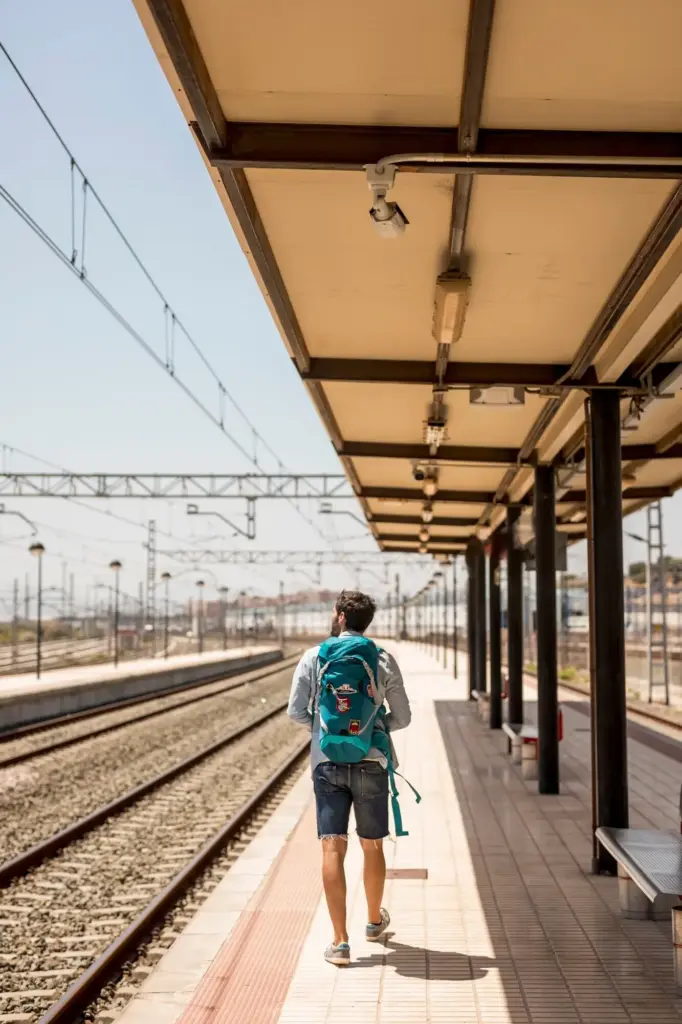
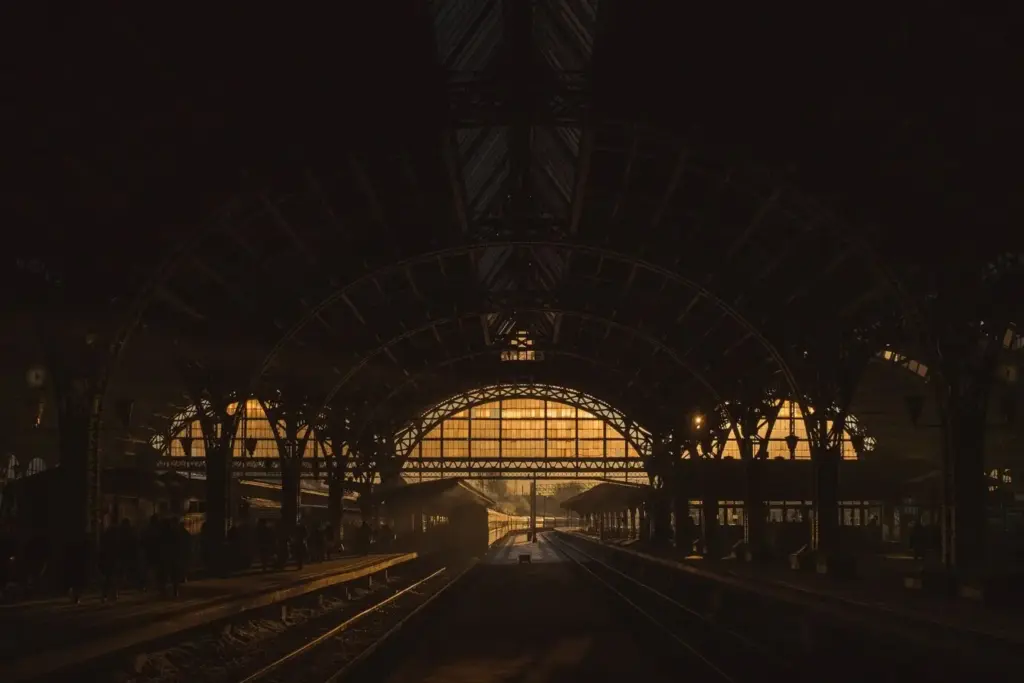
Great images start before you shoulder a pack. Study timetables like weather charts, mapping arrivals to sunrise ridgelines and departures to blue-hour valleys. Build buffers for missed connections and wandering light. Choose flexible tickets, scout station-area trailheads, and lean on local rangers, conductors, and café owners for trail conditions and last bus times. A little patience at the platform often buys a safer approach, a calmer mind, and a better chance to let serendipity guide your lens toward surprising, unforgettable frames.
Scotland’s West Highland Line
From the moody span of the Glenfinnan Viaduct to the windswept stillness of Rannoch Moor, this line delivers photographers to peat, loch, and heather without a car. Step off at remote platforms where the wind is your only companion and paths lead toward mirrored water and lonely peaks. Pack for changeable weather; storms arrive fast and gift dramatic cloud breaks. Dawn often paints the moor in hushed pinks, while evening trains hum past reflections that seem to stretch time itself.
Japan’s Oito Line and Alpine Gateways
Threading toward Hakuba, this route places you within reach of rugged trails, cedar-scented valleys, and crystalline winter ridgelines. The carriages carve through rice fields and small towns, turning the journey into a visual prelude of textures and tones. In autumn, scarlet maples frame snow-dusted summits, while spring reveals waterfalls fed by thawing drifts. Polite station culture, punctual connections, and plentiful convenience stores simplify logistics, freeing your attention for composition, safety, and the breathing presence of steep, photogenic horizons.
Switzerland’s Glacier Express Connections
Beyond the famed panoramic cars lie quiet local links to car-free villages like Zermatt or the Engadin’s high meadows. Stations often sit steps from footpaths that climb into larch forests and limestone terraces. The precision of timetables makes multi-day ridge traverses realistic without the burden of a rental car. At dawn, peaks ignite with color, mirrored in still tarns reachable by well-marked trails. By afternoon, return to a platform café, review images, and chase a new angle just one stop away.
Chasing Weather from the Window to the Ridge
Weather is not an obstacle; it’s the co-author of your story. From a warm carriage you can watch fronts roll in, reading edges and textures before committing to a trail. Clouds that appear dull at noon often become thunderheads of drama by late afternoon. Keep a flexible loop in mind: one stop for storm light, another for shelter and cocoa. By approaching forecasts as living narratives rather than fixed predictions, you’ll consistently transform uncertainty into mood, depth, and memorable photographic tension.
Travel Kindly, Photograph Responsibly
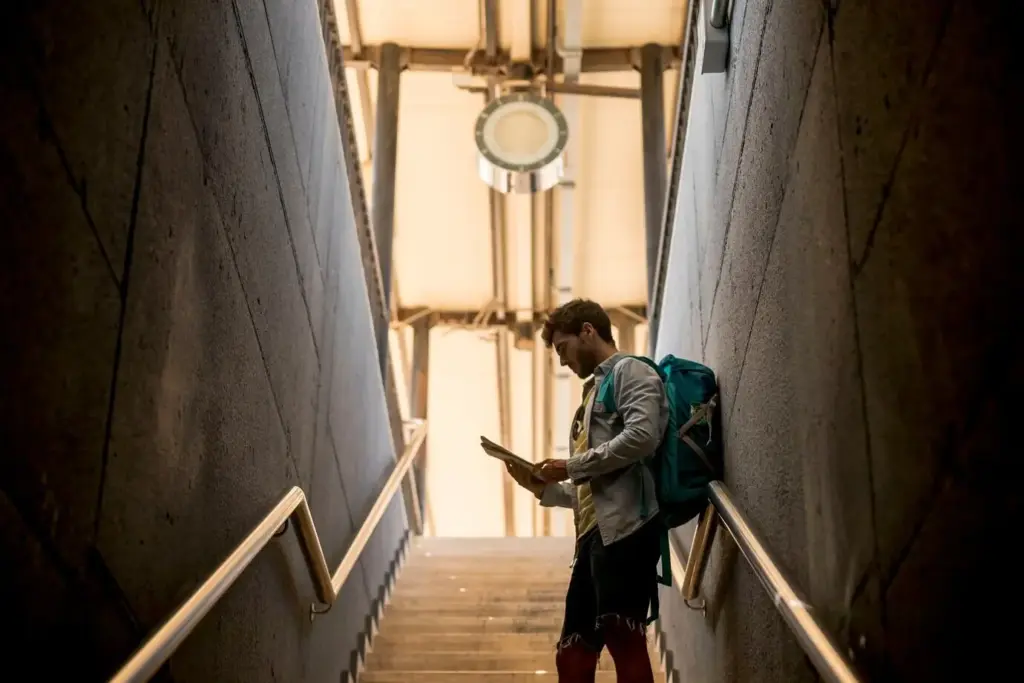
The right image never requires harm. Trains reduce traffic in fragile corridors, but mindfulness must go further. Keep distance from wildlife, tread on durable surfaces, and avoid shortcut erosion. If a meadow feels vulnerable, step back and choose a longer lens. Respect quiet hours in car-free villages and the labor behind railway maintenance. Pack out everything, including snack crumbs that attract animals. Your audience values images that carry integrity, and land managers notice travelers who leave only gentle stories behind.
Respecting Railways and Rangers
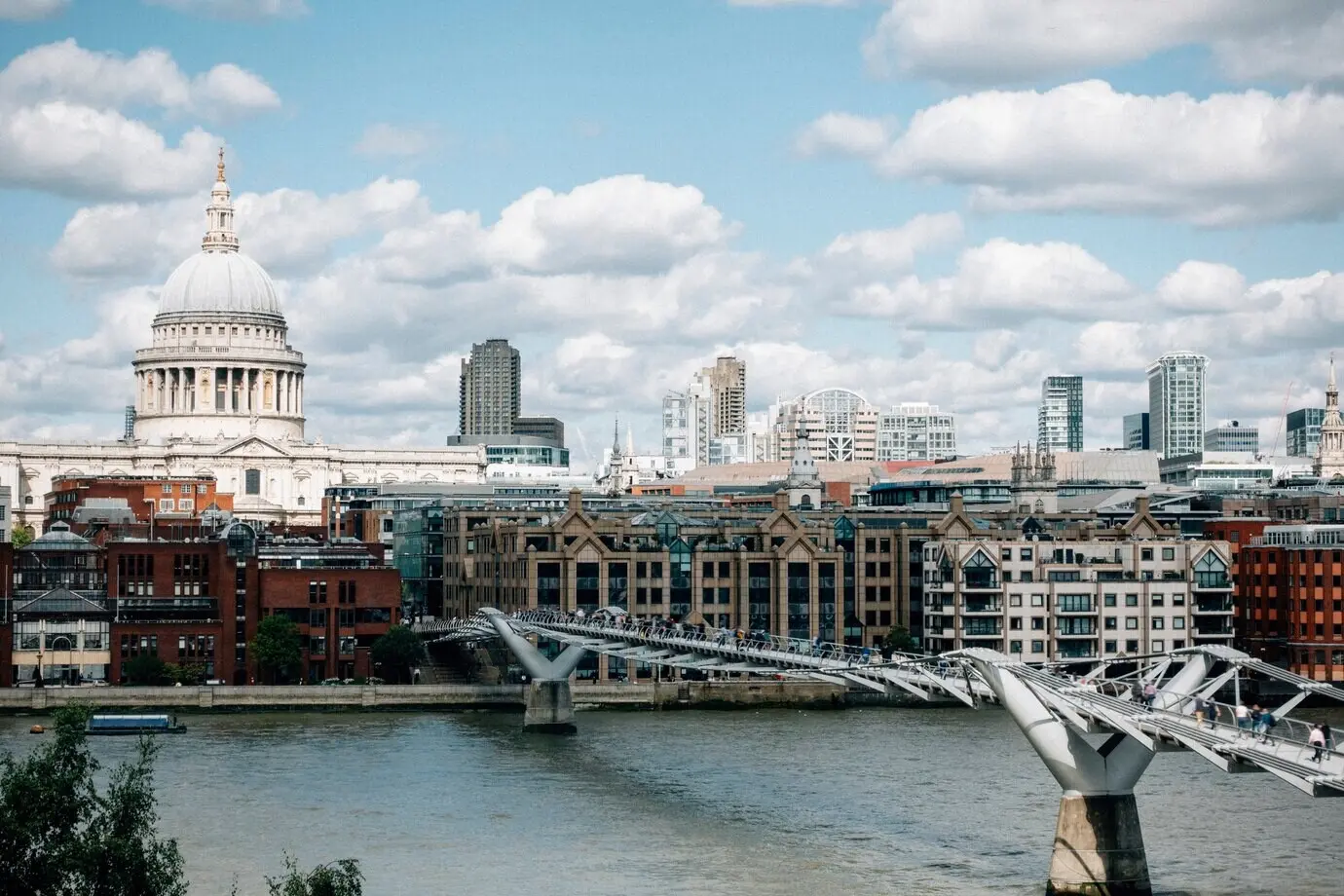
Stay behind safety lines, keep tripods clear of doorways, and never block aisles for a photograph. Ask station staff about acceptable shooting spots; their guidance protects operations and grants you trust. On the trail, greet rangers and listen carefully to wildlife advisories or area closures. A two-minute conversation can save hours of risk. By working with those who care for these places, you gain access to timely knowledge, protect others’ journeys, and strengthen relationships that safeguard future photographic opportunities.
Wildlife First, Always
Longer lenses, quieter shutters, and patient observation preserve natural behavior. If an animal notices you, you’re too close. Trains may lull you into complacency, but platforms are not wildlife blinds. Learn species-specific distance guidelines, and avoid broadcasting nesting locations. Share images that model respect rather than proximity. When your portfolio shows animals acting naturally, viewers feel invited into a private world without guilt. Ethical distance enriches storytelling, honors the living subject, and ensures tomorrow’s travelers can witness the same wild grace.
Footprints, Not Scars
Choose rock, snow, or established tread over tundra and fragile moss. In shoulder seasons, mud can magnify impact; consider staying on gravel or turning back. Store trash in a sealed bag and pack a spare for others’ litter. If your audience asks for coordinates, provide general regions instead of precise pins when sites are vulnerable. Encourage stewardship in captions. The more your images travel, the more your example matters. Gentle decisions accumulate into healthier trails and longer-lasting access for everyone.
Techniques for Motion and Stillness
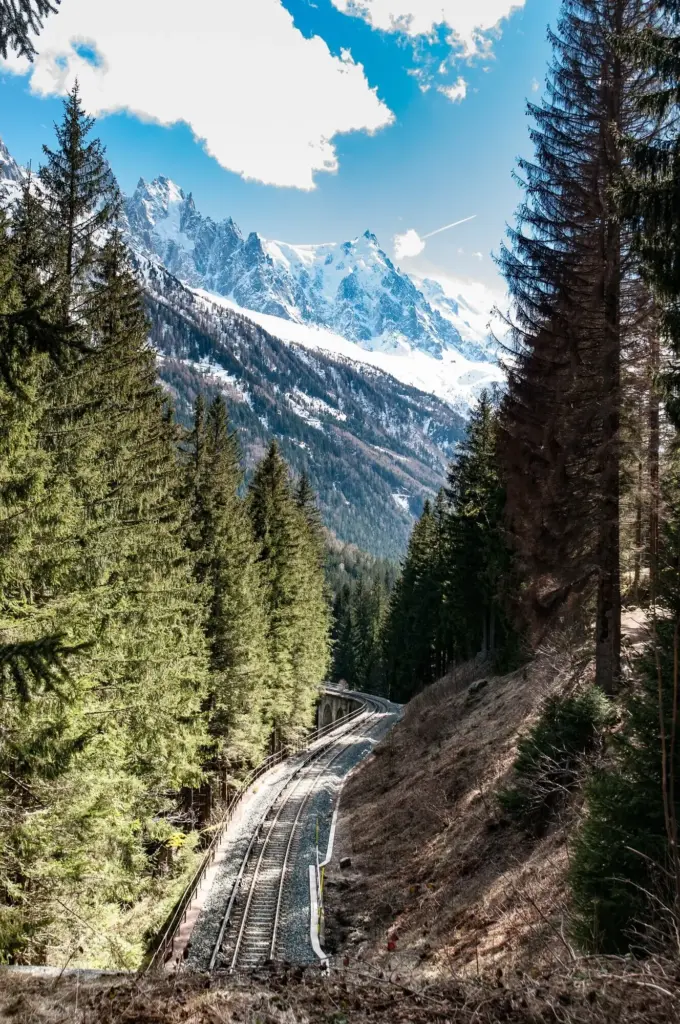
Rail journeys offer a double toolkit: kinetic studies from the window and contemplative scenes beyond the platform. Master both. Use reflections, clean angles, and steady bracing inside the carriage; then slow down outdoors to notice textures, leading lines, and subtle wind in grasses. Let motion suggest time’s passage while still frames reveal enduring form. Switching modes deliberately keeps your editing cohesive and your narrative balanced, a rhythm that guides readers through speed, pause, surprise, and the quiet satisfaction of earned vantage points.
Stories Shared Between Stations
Journeys deepen when we trade notes. Share your rail-based route choices, the small bakery that saved a dawn shoot, or the ranger tip that delivered safe access after snowfall. Post images with context about train frequency, hiking time from the platform, and seasonal quirks. Ask questions, invite critiques, and celebrate others’ experiments. Together we’ll map kinder ways to move through grand spaces without cars. Subscribe, comment, and propose future routes you want explored, so this evolving atlas remains useful and joyfully alive.
All Rights Reserved.