Pedal Toward Quiet Horizons

Our focus today is bike touring routes to photogenic vistas without car traffic, celebrating peaceful greenways, rail-trails, and protected paths where every pedal stroke leads toward panoramic horizons. Expect practical tips, heartfelt stories, and map-ready advice designed to help you ride farther, photograph better, and savor the freedom of landscapes revealed at human speed.

Finding Serenity on the Map

Planning begins with the art of reading landscapes before you arrive, seeking lines where bicycles glide and engines fall silent. Use open mapping tools, local cycling groups, and park advisories to trace gentle grades, scenic overlooks, water access, and escape routes. Favor continuous protected corridors, loop options that catch sunrise and sunset, and sections where the topography naturally frames sweeping views without dangerous traffic nearby.

Rail-Trails and Greenways

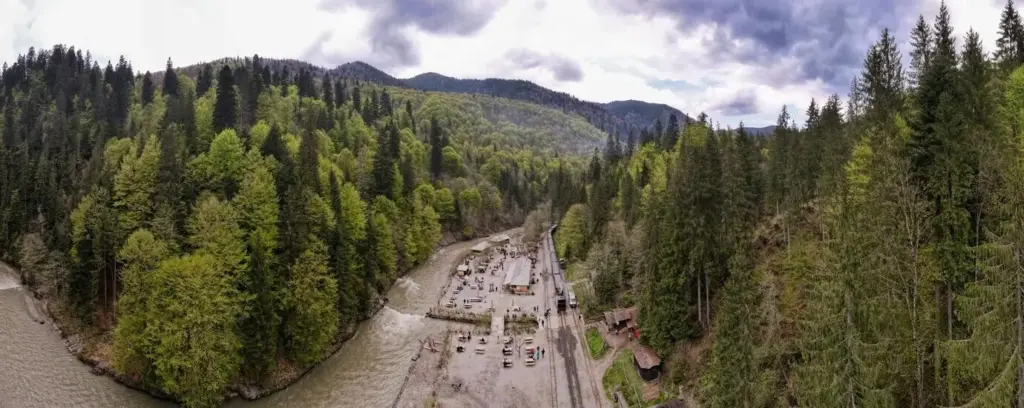
Converted railways and purpose-built greenways offer forgiving gradients, steady surfaces, and uninterrupted miles that invite deep breathing and long looks. They often thread through old trestles, riverbanks, and historic districts where photo opportunities appear at human rhythm. Research signage, restrooms, and trail etiquette, then plan detours to bridges or bluffs that rise slightly above the path for commanding compositions without stepping into hazardous zones.

Canal Towpaths and Coastal Promenades

Towpaths follow flat water that doubles as a giant reflector for golden-hour light, while seaside promenades reveal horizons that stretch like delicate lines drawn by the tide. Slow down for locks, fishing piers, and lighthouse overlooks, where serenity pairs with layered textures. Expect mixed surfaces, occasional narrow sections, and pedestrians; a friendly bell, lower speeds, and patient timing protect the calm you came to find and photograph.

Seasonal Closures and Quiet High Pass Days

Mountain departments sometimes restrict motor traffic on iconic passes, briefly returning ridgelines to wind, birds, and spokes. Research special cycling days or shoulder-season closures when snowbanks soften and panoramas open without exhaust. Confirm dates, bring layers, and pack lights for tunnels. These rare windows reward with silence thick enough to hear your breath, creating images that carry the stillness home long after the climb fades.

Windows to the World: Vistas Worth the Climb
Seascapes and Tidal Perspectives
Riding beside the sea brings changing canvases every hour, as tide lines sculpt reflective sand and clouds stretch across unobstructed horizons. Time your arrival to low tide for mirror-like beaches or to high tide for crashing lines of energy. Coastal paths often provide safe overlooks above cliffs; use fences as boundaries and compositional guides, and carry a wind layer because ocean gusts challenge stability and patience equally.

Alpine Bowls and Glacial Stages

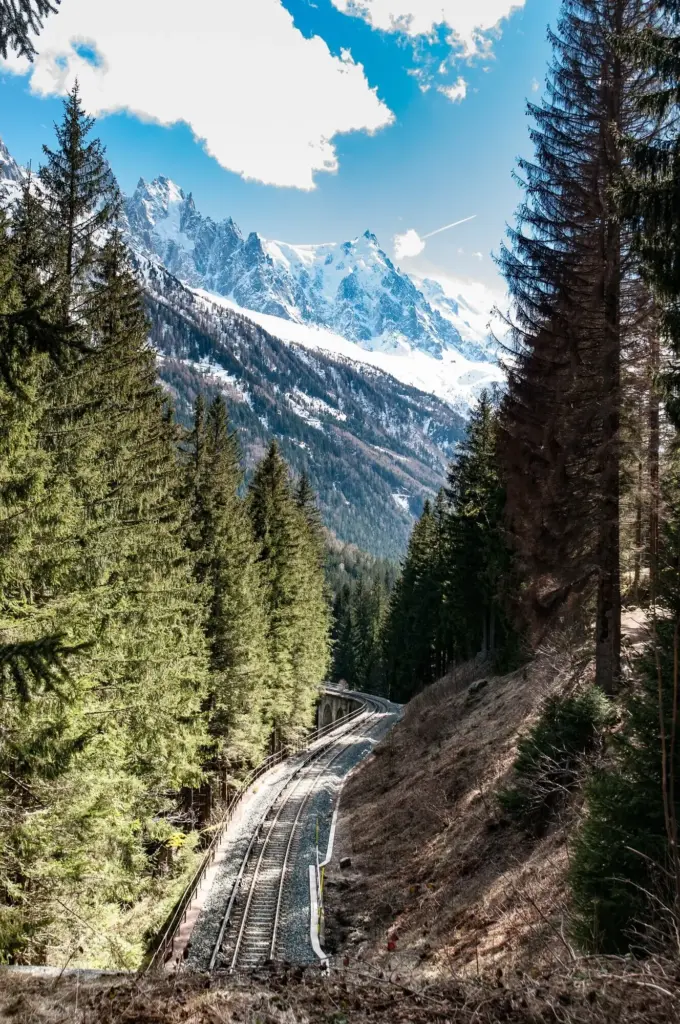
Car-free approaches to alpine cirques keep the soundtrack to wind, marmots, and the hum of tires. Look for amphitheater-like bowls where snowfields, waterfalls, and rock strata stack depth into your frame. Start early for crisp air and long shadows, packing warm gloves for descents. Respect fragile groundcover by staying on durable surfaces, and consider a compact telephoto to compress layers for dramatic scale without leaving the path.

City Skylines from Elevated Bikeways

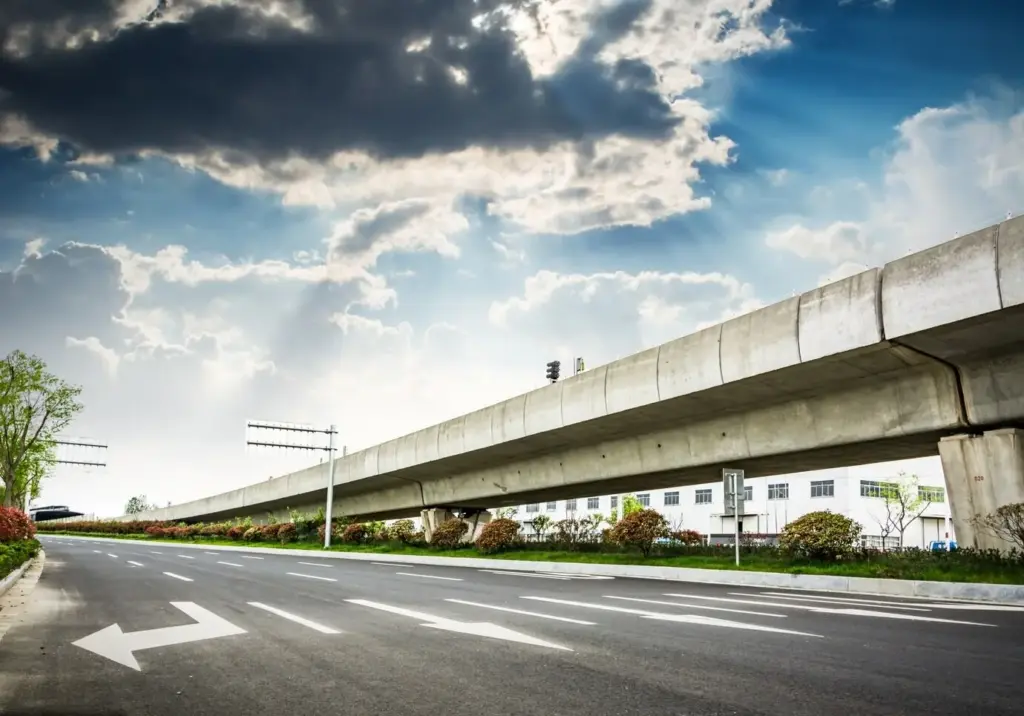
Some of the most surprising vistas appear where elevated bike paths thread above rooftops, rivers, or railyards. These quiet corridors offer silhouettes at dusk, reflections on glass, and leading lines drawn by rails and bridges. Use railings for bracing, keep your footprint tidy during rush hours, and let the steady cadence of commuters shape candid stories. Night rides reveal constellations of windows without the chaos of honking streets.

Camera-Ready Touring Setup

Balancing nimble handling with capable imaging is the heart of joyful bicycle photography. Choose compact gear, quick-access storage, and reliable power so you never miss fleeting light at a viewpoint reached by peaceful miles. Waterproof solutions, lens cloths, and tethered caps save shots when weather shifts suddenly. Keep weight low and centered, prioritize redundancy only for essentials, and test packing systems on local rides before longer journeys.

Logistics Without the Noise

Smooth tours rely on thoughtful transport links, clear plan Bs, and sleep that places sunrise at your doorstep. Combine rail access, ferries, or rolling countryside connections to keep engines distant while you cross vast regions. Scout campsites, huts, or small inns near overlooks, and carry offline maps for dead zones. Build in weather flexibility, share itineraries with a friend, and let patience dictate the day’s perfect photograph.
Many networks welcome bicycles outright or with simple reservations, letting you hop between car-free corridors while skipping stressful highways. Investigate bike carriages, off-peak rules, and platforms with elevators. Ferries unlock islands and fjords with wild sightlines, often delivering you directly to quiet lanes. Folding frames or wheel-off setups widen options, ensuring your route remains stitched by peaceful segments that begin where the engines finally stop.
Place your pillow within an easy dawn roll of the lookout to greet first light without hectic packing. Seek small hostels, campgrounds, or designated bivy areas adjacent to protected paths, always respecting local regulations. Pre-scout water sources, wind exposure, and tree cover. With less distance between your bed and the horizon, you’ll photograph unhurried transitions while others still navigate parking, traffic, and morning crowds.

Tales from Quiet Roads

Stories preserve the spark that numbers and maps cannot contain. Moments of stillness, laughter, and shared tea etch themselves into memory right alongside photographs. These vignettes remind us why we choose pedals over pedals-and-petrol: to hear wind in grass, distant bells, and our own steady breath weaving through landscapes wide enough to carry every thought gently away.

Ride Kindly, Leave It Better

Car-free corridors thrive when everyone feels welcomed, safe, and seen. Friendly bells, mindful speeds, and predictable moves let walkers, families, and wildlife relax as you pass. Pack out more than you bring, report hazards, and support groups maintaining the paths. Share your discoveries without geotagging fragile spots, and invite others to pedal gently toward beauty that still sounds like leaves and water when you arrive.

Shared Path Etiquette

Signal early, overtake with room, and offer gratitude generously. Slow down around viewpoints where people naturally pause and drift, and never block the trail while adjusting camera settings. If a stranger asks for directions or a photo, those seconds are part of the journey’s purpose. Calm habits keep these spaces welcoming, ensuring the quiet you cherish remains intact for the next rider arriving breathless with wonder.

Nature First, Always

Stay on durable surfaces, resist shortcut temptations, and give wildlife wide berth. Even a single step beyond fences can crush plants or destabilize slopes that hold the view together. Choose reusable bottles, carry a tiny repair kit to prevent abandoned bikes, and pack a micro-towel for damp benches. Small, consistent choices add up to landscapes that greet each visitor with the same open-hearted generosity you received.
Tipanuzifomikeropi
Privacy Overview

This website uses cookies so that we can provide you with the best user experience possible. Cookie information is stored in your browser and performs functions such as recognising you when you return to our website and helping our team to understand which sections of the website you find most interesting and useful.