
From Metro Platform to Mountain Path: A Photographer’s Day Out
Today we explore Public Transit to Trailheads: City-to-Scenery Photography Day Trips, revealing how buses, trains, and ferries can carry you from bustling sidewalks to quiet switchbacks without a car. Expect practical planning strategies, creative inspiration, and real-world anecdotes to help you capture memorable frames from departure to return.
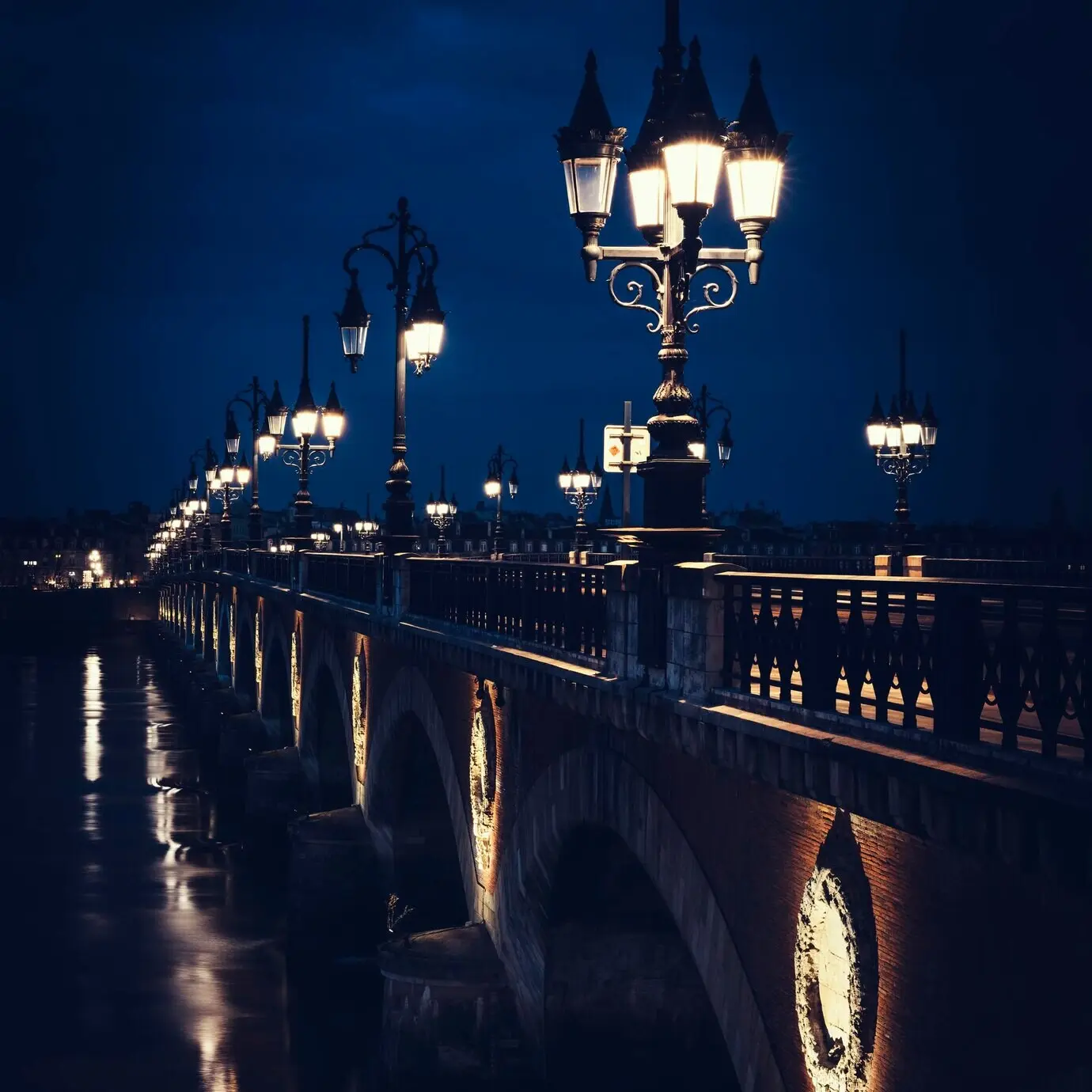
Match Trailhead Access to Transit Timing
Look for routes where the final stop lands within walking distance of the trail entrance, leaving enough margin for wayfinding. Study return schedules and buffer time for lingering light, unexpected detours, and rest. Treat timetables as creative constraints guiding pacing, vantage choices, and narrative transitions.
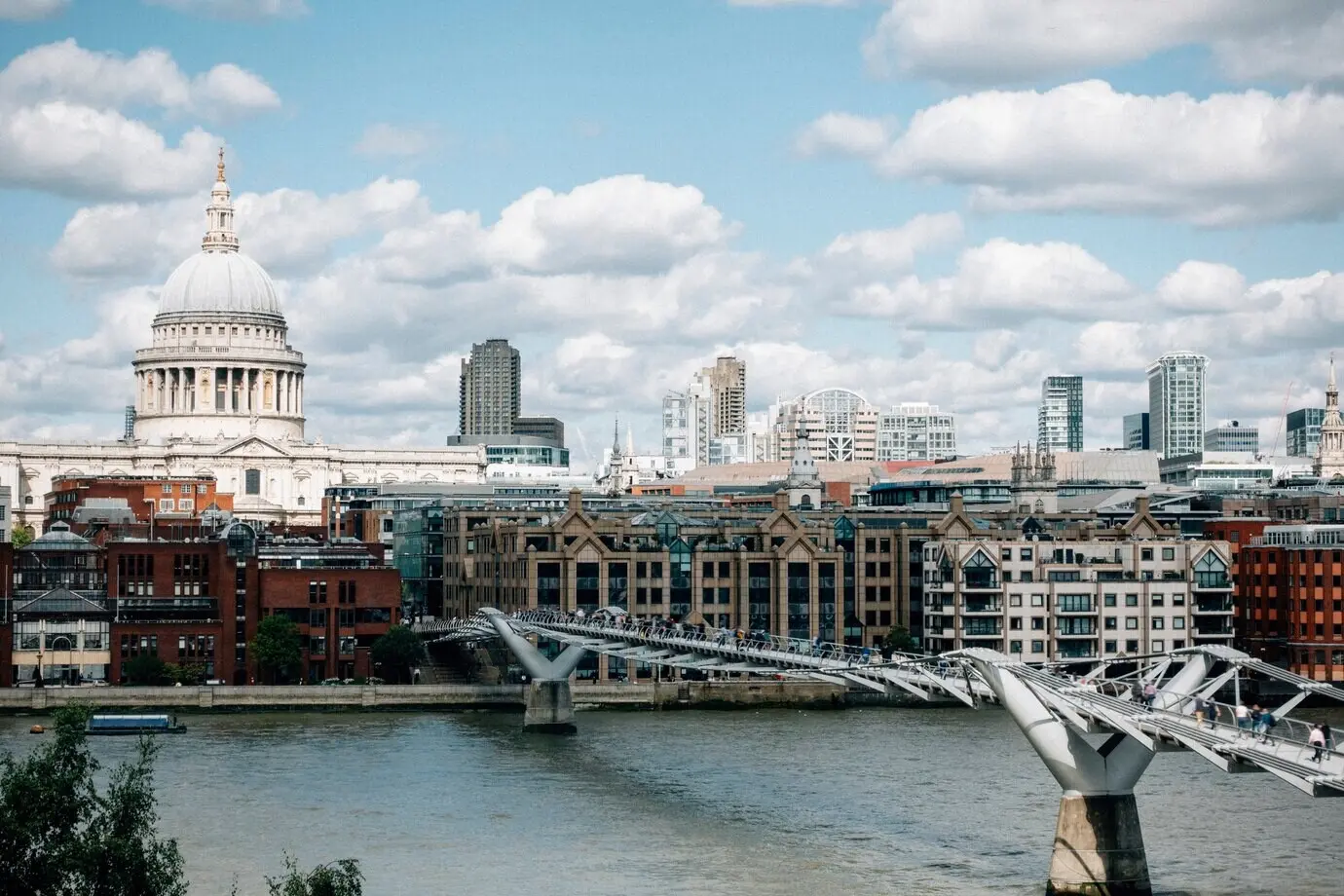
Pack Light Without Sacrificing Possibility
Prioritize a small, versatile kit that won’t strain shoulders during transfers or steep sections. A fast prime, compact zoom, spare battery, microfiber cloth, and lightweight waterproof layer cover most situations. Add snacks, water, and a foldable tote for stashing layers as conditions shift throughout the day.
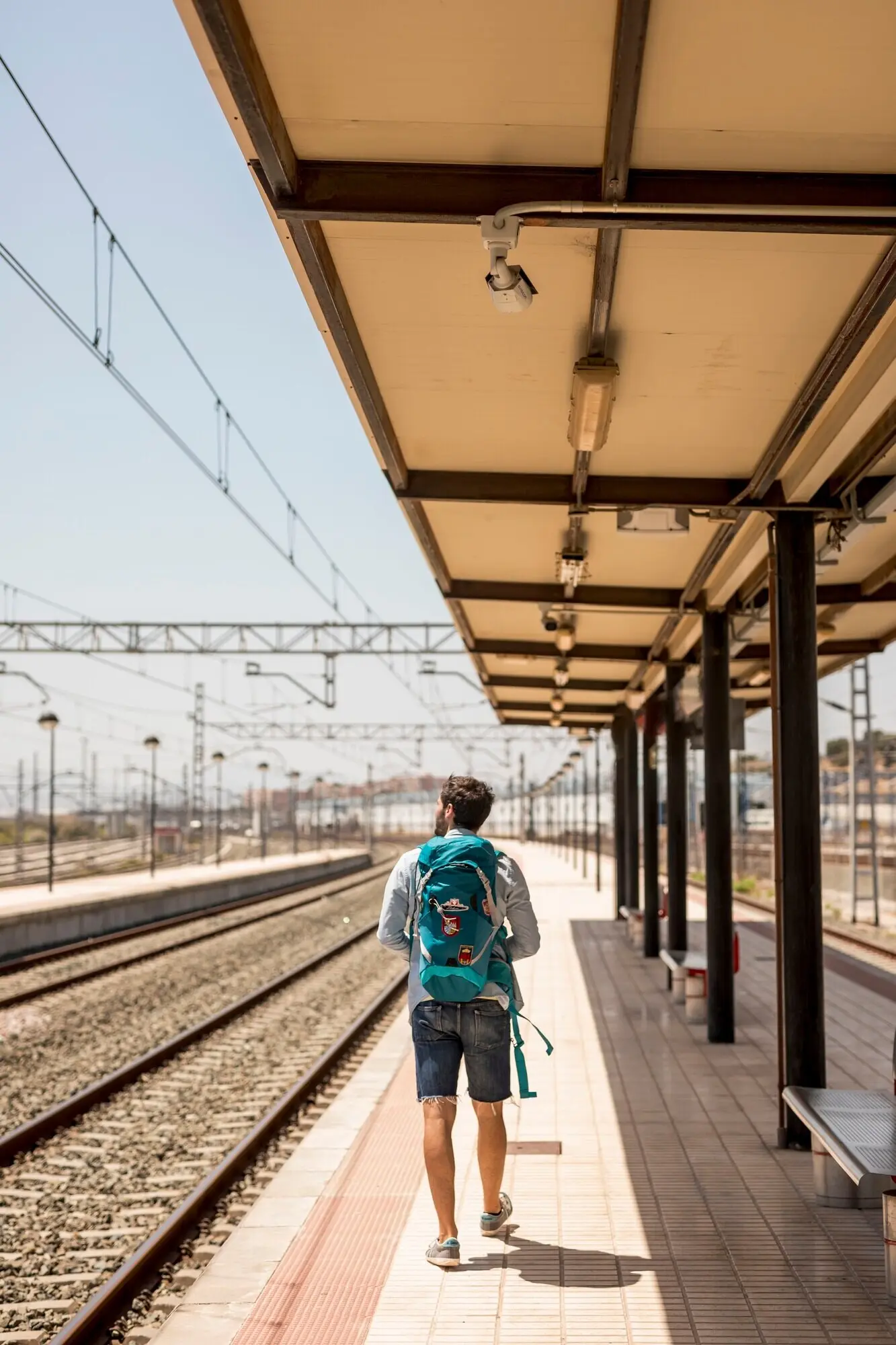
Build a Safety Net for Missed Connections
Plan a secondary route and an earlier return option, then save offline maps and emergency contacts. Identify sheltered waiting spots near the stop and note nearby convenience stores. A flexible mindset keeps creativity steady when clouds, crowds, or service changes nudge you off the initial plan.
Light, Weather, and Timing Without a Steering Wheel
Relying on public transport shapes how you chase light. Embrace earlier departures and longer walk-ins to arrive as shadows lengthen and textures deepen. Use weather apps, cloud forecasts, and sun paths to choreograph a sequence that accentuates mood, dimension, and evolving stories through the day.
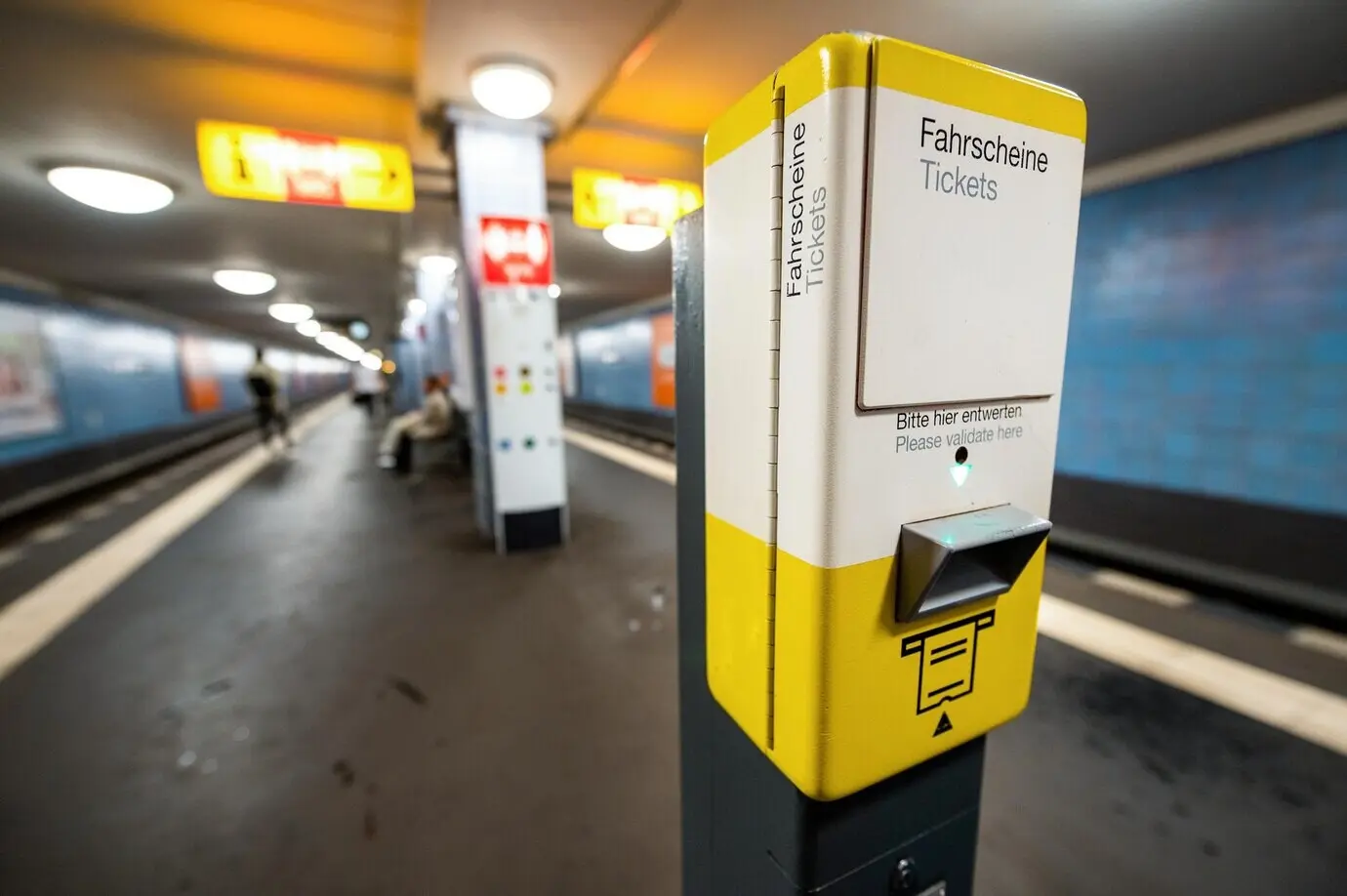
Etiquette, Safety, and Stewardship from Station to Summit
Share Space Gracefully with Riders and Hikers
Stow tripods vertically, avoid blocking doors, and anticipate sudden stops. On trail, yield uphill, step aside for faster groups, and keep conversation volumes considerate. A mindful presence sets a welcoming tone, allowing you to connect with strangers who might become subjects, guides, or future collaborators.
Photograph with Care for Land and Wildlife
Stay on designated paths, respect closures, and avoid stressing animals for a shot. Use longer lenses for distance and quiet shutters to reduce disturbance. Your images gain integrity when they reflect restraint, patience, and a deep appreciation for the living systems that make scenes truly extraordinary.
Consider Permissions, Privacy, and Community Norms
Before capturing identifiable people, request consent and explain your intent. In sensitive areas, confirm guidelines regarding commercial use or tripods. Upholding privacy and expectations—on the platform, bus, or outlook—builds trust, often leading to richer portraits and unexpected, generous moments of shared story.
Tell the Story: From Turnstile to Trail Panorama
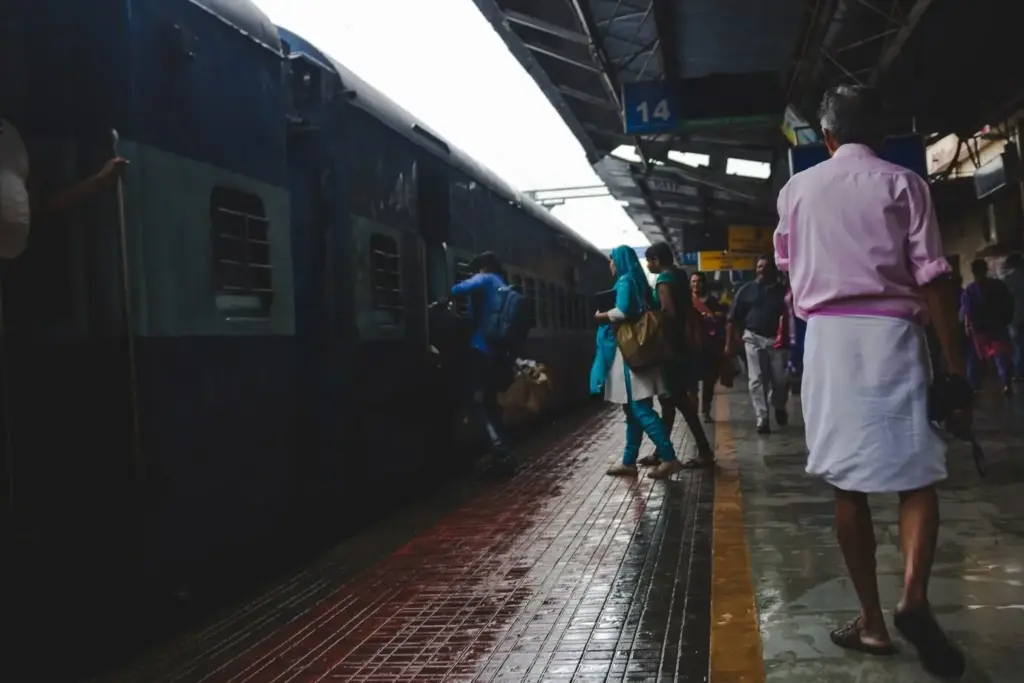
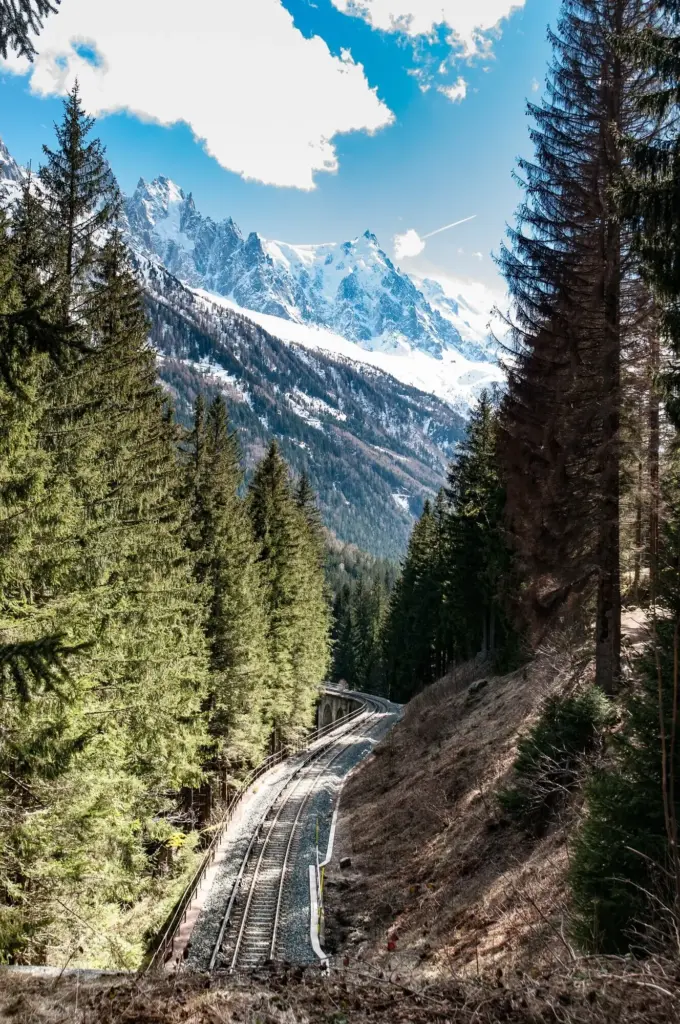
Approach the entire day as a sequence of narrative beats. Establishing shots at the station set context, transitional frames on board convey movement, and trail details provide texture. Culminate with expansive vistas, then return with reflective scenes that close your visual arc with satisfying emotional resonance.
Collect Establishers, Transitions, and Climaxes
Open with signage, ticket punches, and candid platform gestures. Transition through windows framing rooftops and rivers. Build toward the crest reveal, then linger on quiet details—boot prints, frost crystals, or a map folded at dusk. Editing later becomes easier when each frame advances the unfolding narrative.
Portraits with Permission and Purpose
Engage fellow travelers respectfully, asking questions before lifting the camera. Look for natural light near windows or stop shelters, and invite subjects to share their connection to the landscape. Their words can guide captions, enriching portraits with context that deepens empathy and viewer engagement after publication.
Gear and Budget Wins for Transit-Friendly Creativity
You do not need a car—or heavy equipment—to produce compelling work. Leverage off-peak fares, compact gear, and multipurpose clothing to stretch stamina and funds. Smart weight distribution and protective packing ensure your tools remain ready when fleeting moments ask for immediate, confident response.
Sample Day Routes to Spark Your Next Escape
Use these sketches to inspire your own local explorations. Substitute your city’s lines, parks, and ridgeways, adapting timing and distance to fitness and daylight. The goal is translating predictable connections into spacious moments where unexpected light invites curiosity, patience, and generous storytelling through images.
Harbor Ferry to Bluff Walk and Urban Overlook
Start with an early ferry to greet gulls and morning commuters. Disembark near a trail that ascends coastal bluffs, framing water traffic against soft haze. Return through historic streets, collecting reflections in windows and puddles, closing with twilight color over vessels sliding quietly home.
Subway to Forest Edge and Waterfall Spur
Ride to a terminal station that borders greenbelt trails. Follow creek sounds to a modest cascade where mist catches stray sunbeams. Mix wide environmental frames with intimate moss textures. Time your return so platforms glow amber, bridging woodland calm with the city’s comforting evening hum.

All Rights Reserved.